ATTIC 38
Process
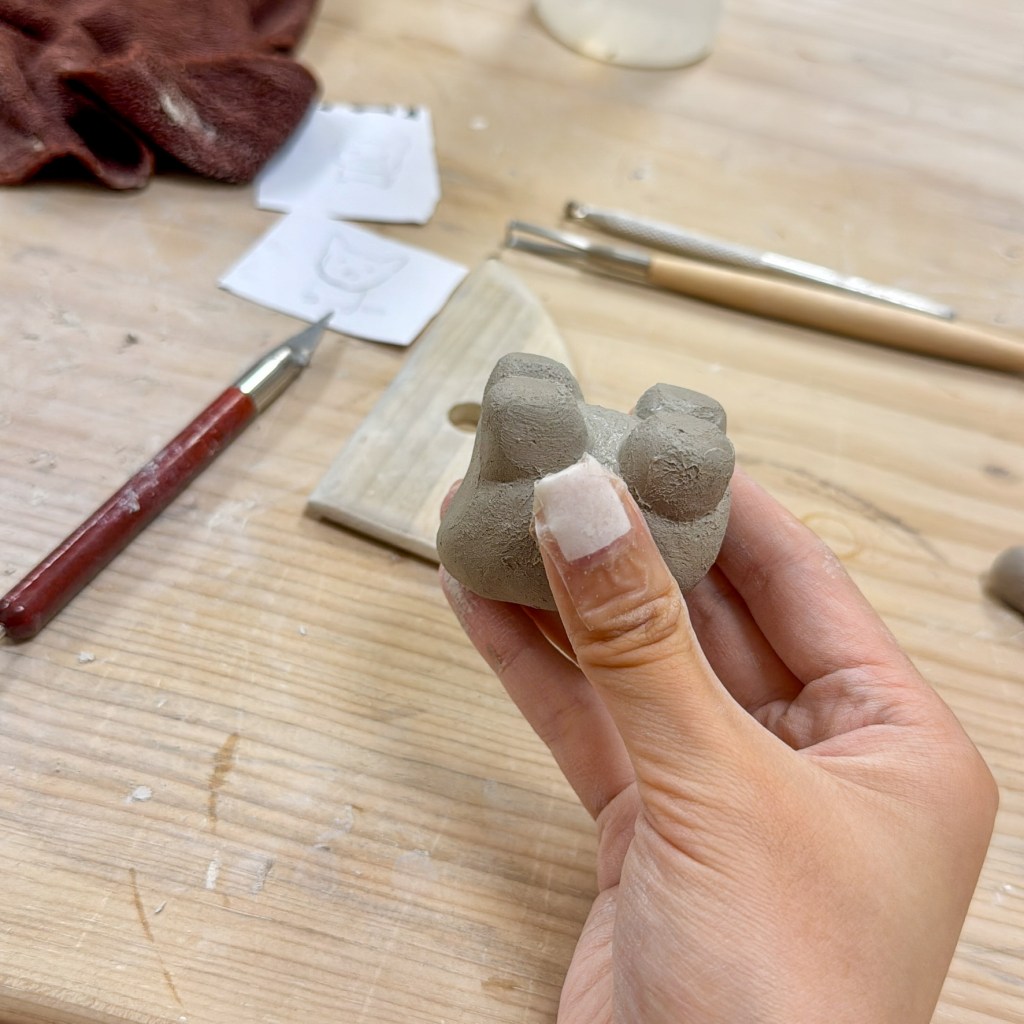
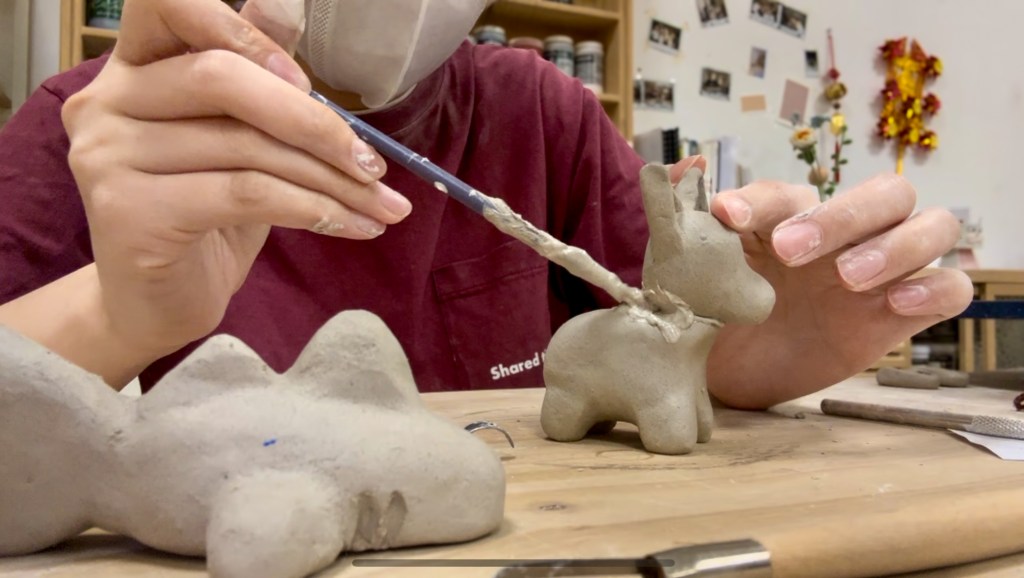
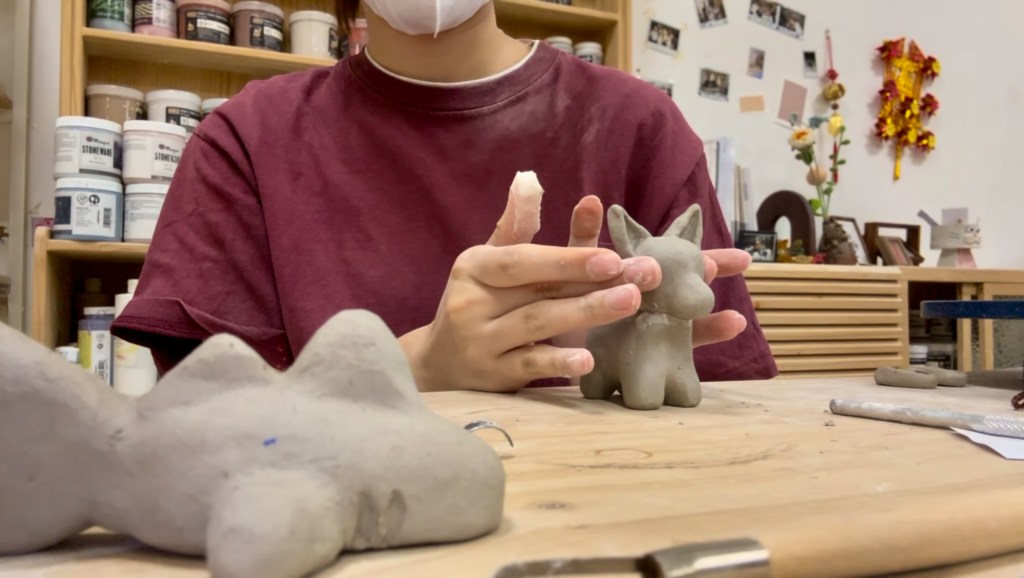
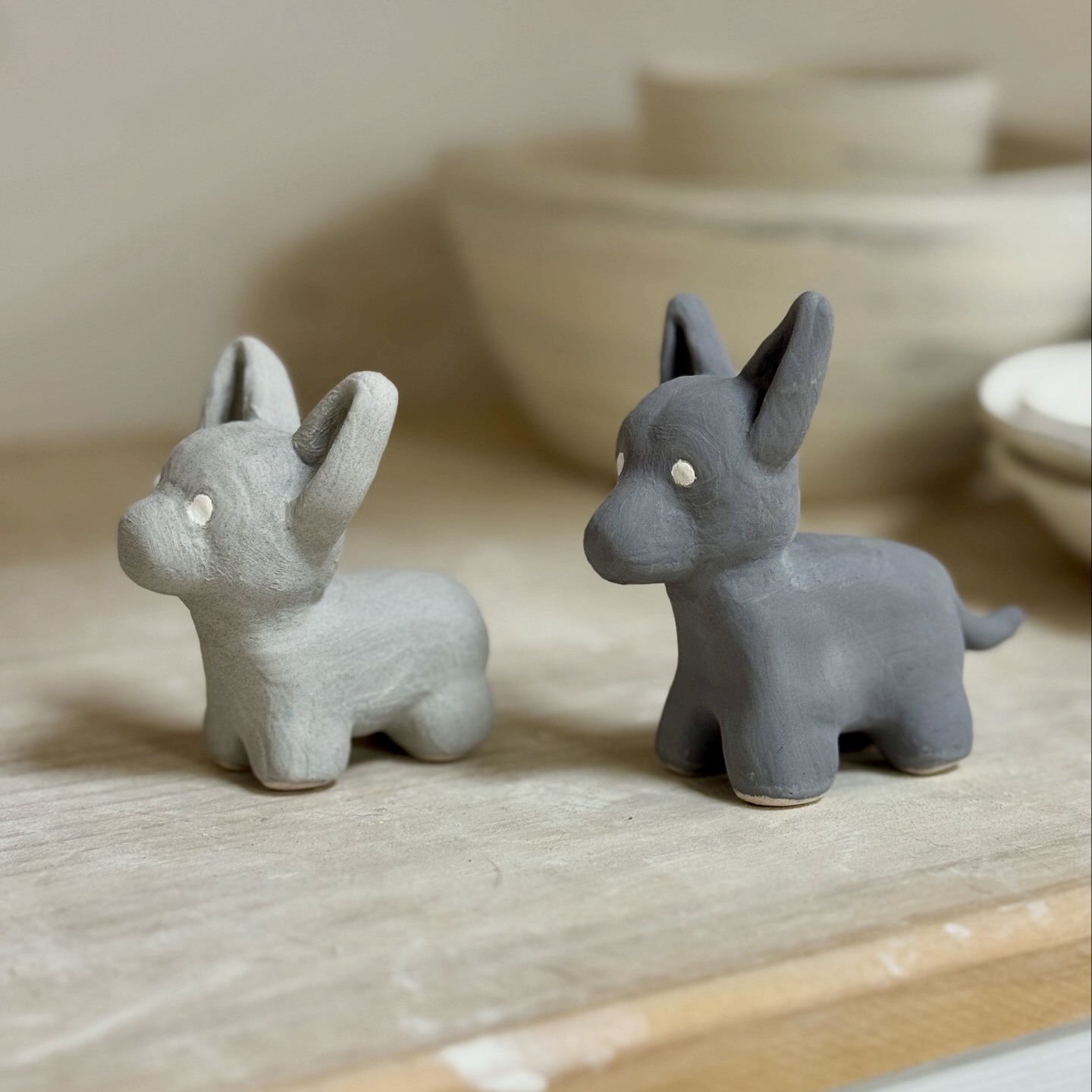
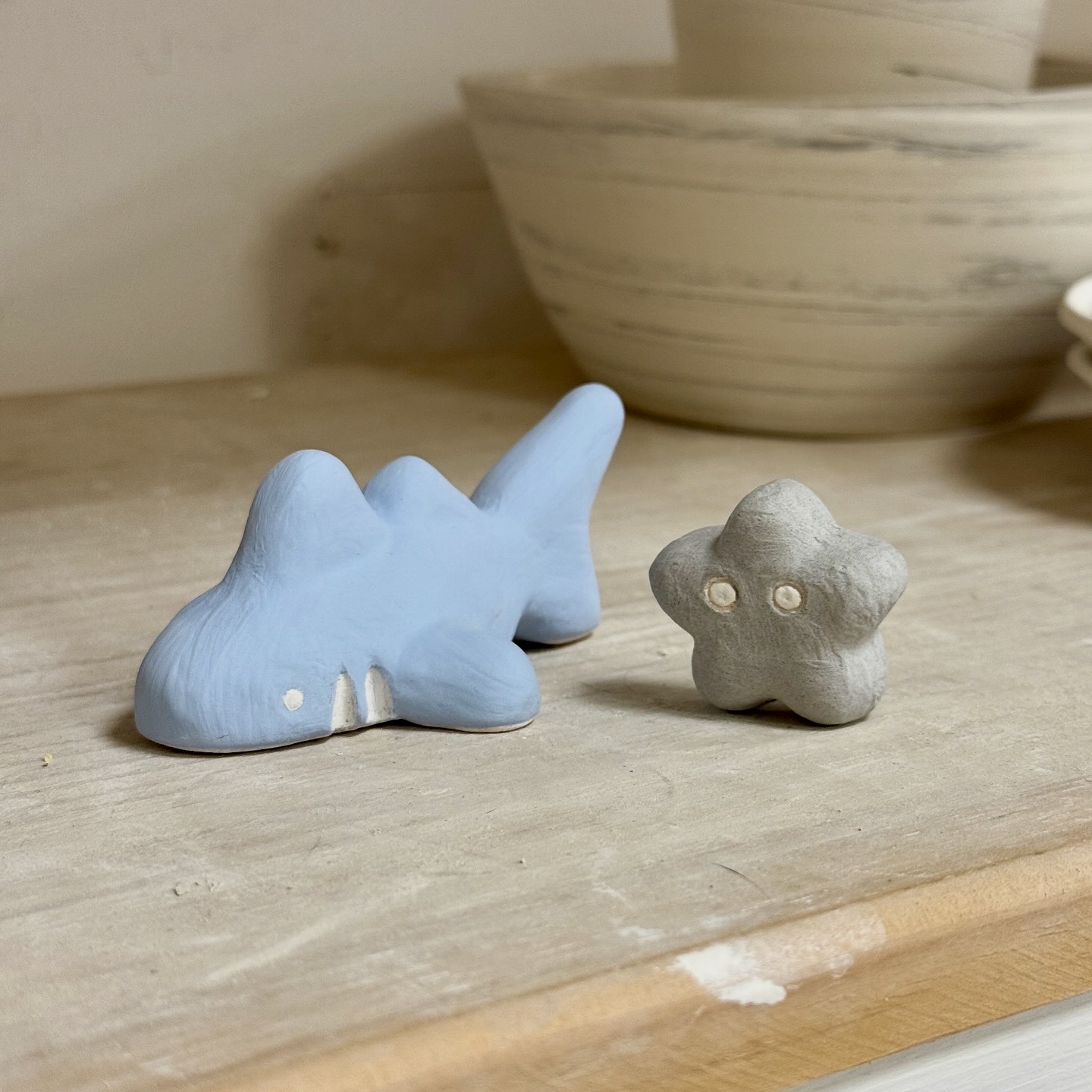
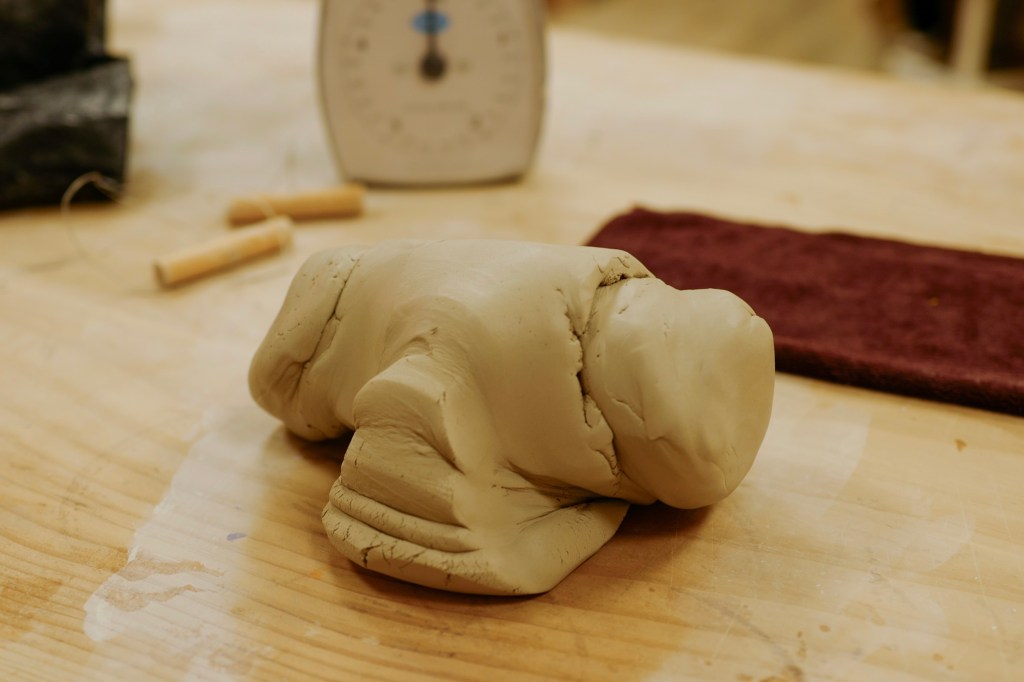
This series of small animal sculptures was created as personal gifts for my friends. Using hand-building techniques, I shaped each of them intuitively, allowing slight asymmetries and imperfections to remain visible as part of the work’s character.
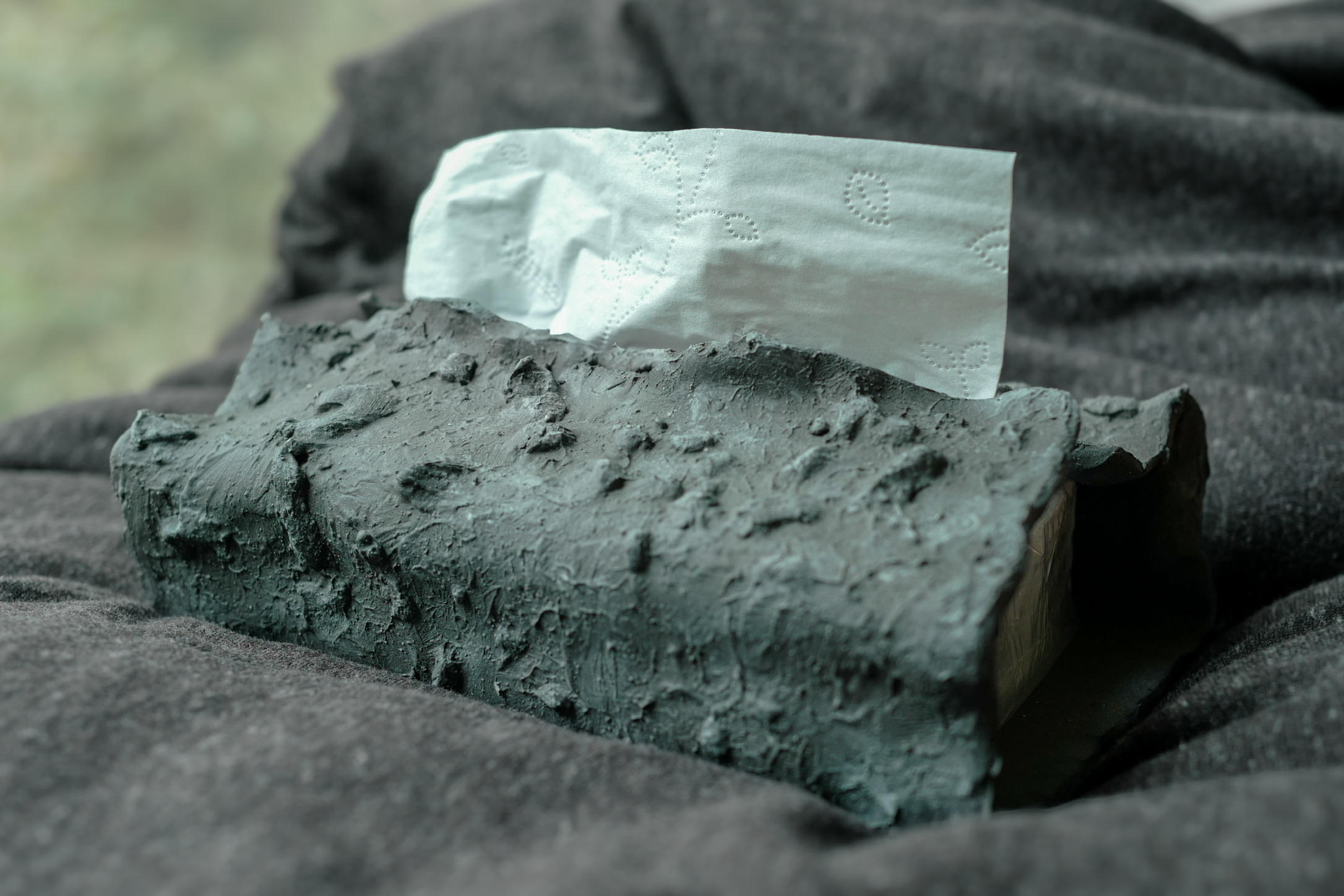
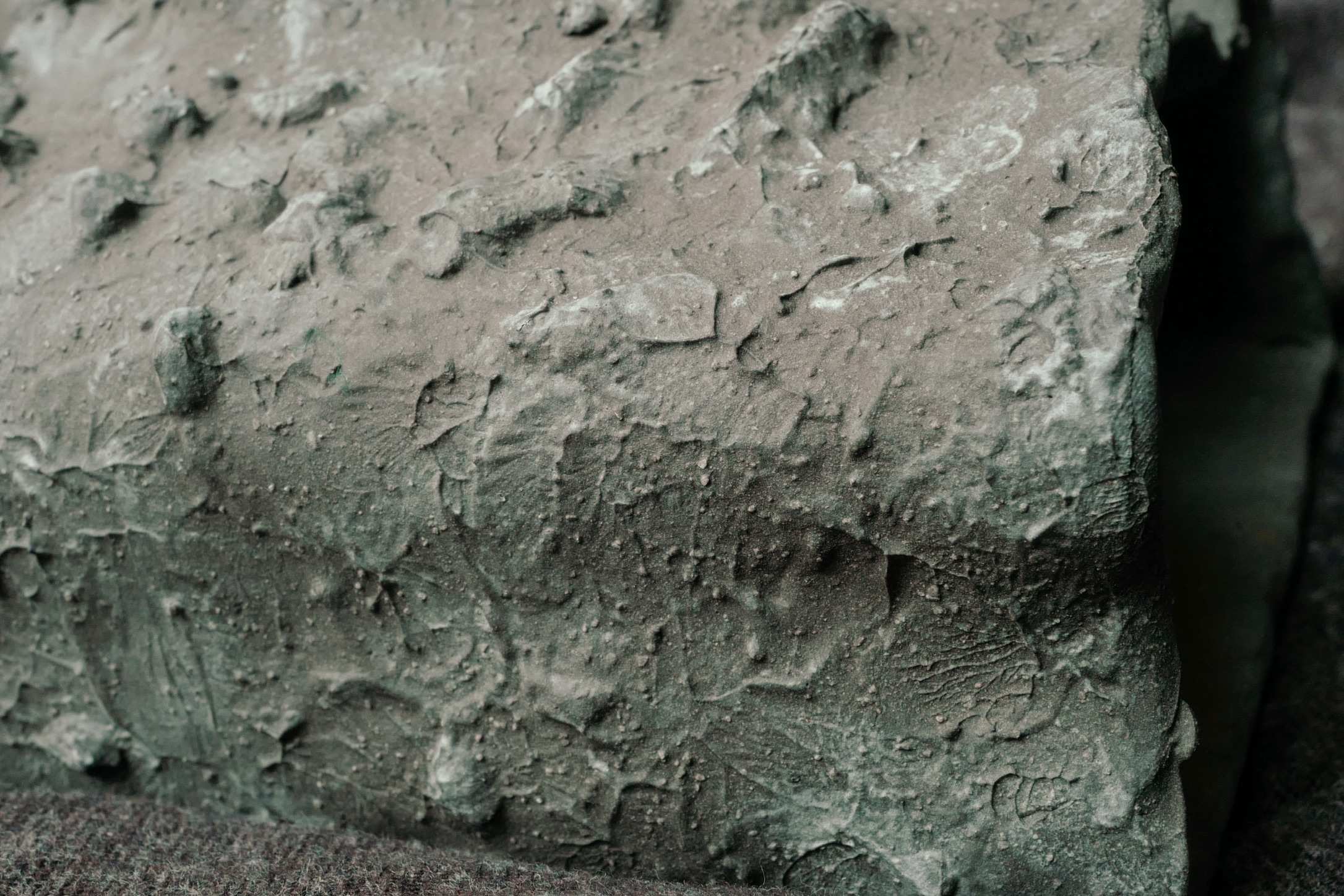
This work was created using hand-building techniques. I shaped it manually and added texture with my fingers and sponges to imitate the irregular surface of natural rocks. After firing, I applied touches of white to enhance the raw, stone-like appearance and create a more realistic, weathered effect.
This piece combines a functional tissue box with elements inspired by nature. By merging an everyday household object with the visual language of rock, I explore the contrast between the softness of tissue and the hardness of stone. The work reflects my interest in blending natural forms with functional design.
Process
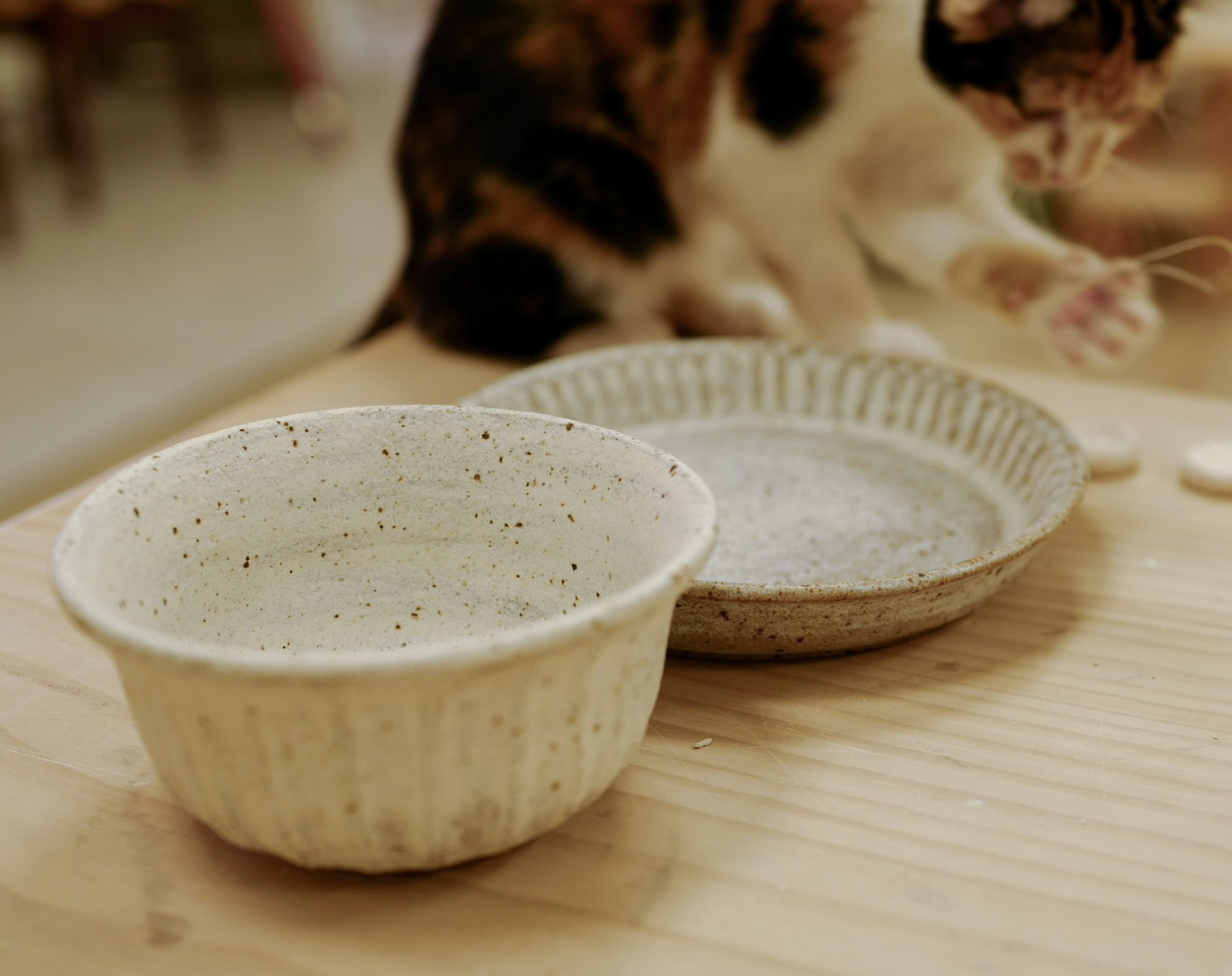
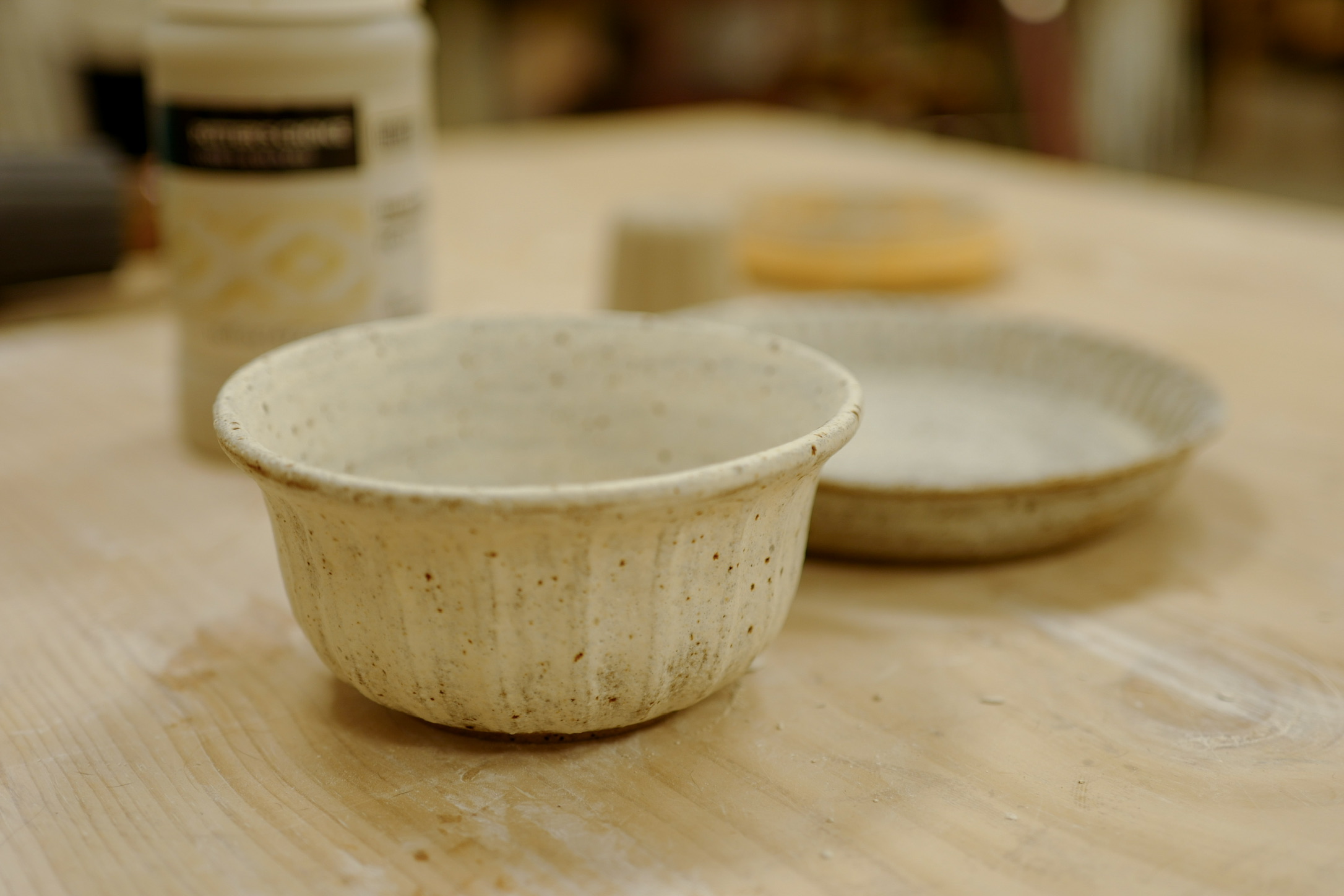
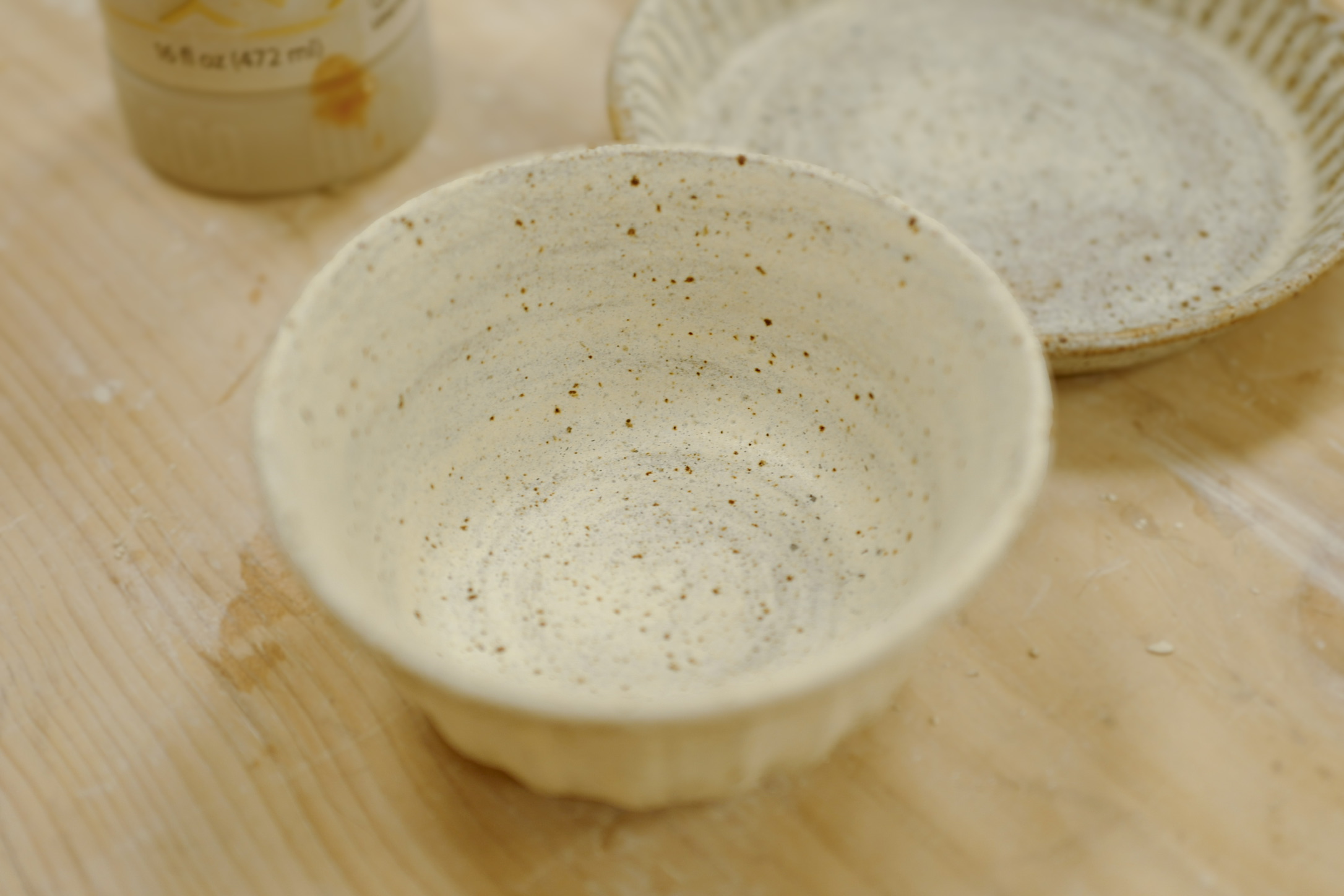
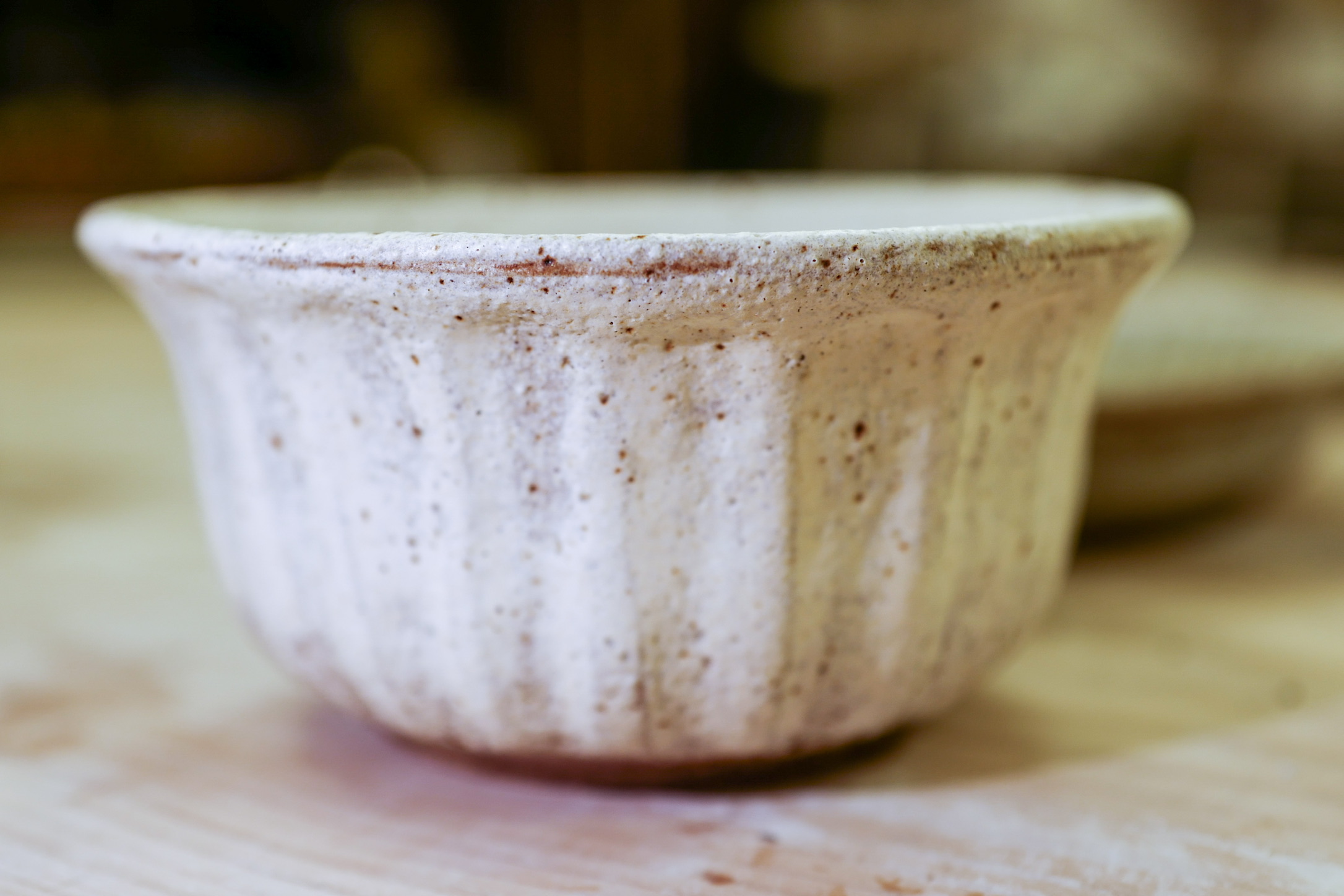
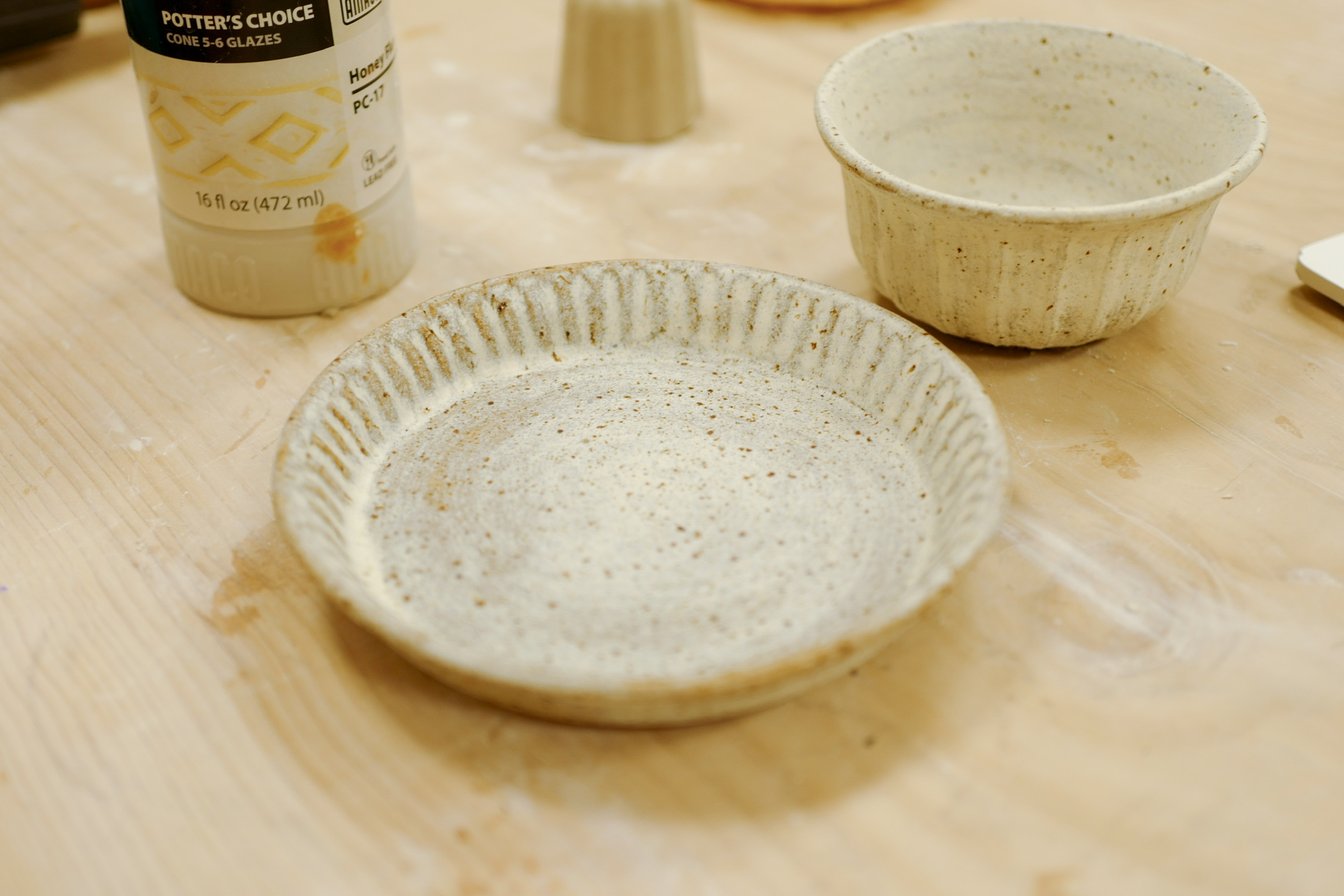
This ceramic bowl and plate set was created as a Christmas gift for a friend. After wheel-throwing the forms, I individually hand-carved the vertical patterns, allowing subtle irregularities to remain visible, while maintaining a smooth interior surface for practical daily use and easy cleaning.
The speckled off-white glaze enhances the tactile quality and introduces a quiet warmth appropriate to the holiday season. Through this work, I explore how functional ceramics can carry celebratory significance, transforming everyday tableware into a handcrafted expression of care, connection, and shared moments.
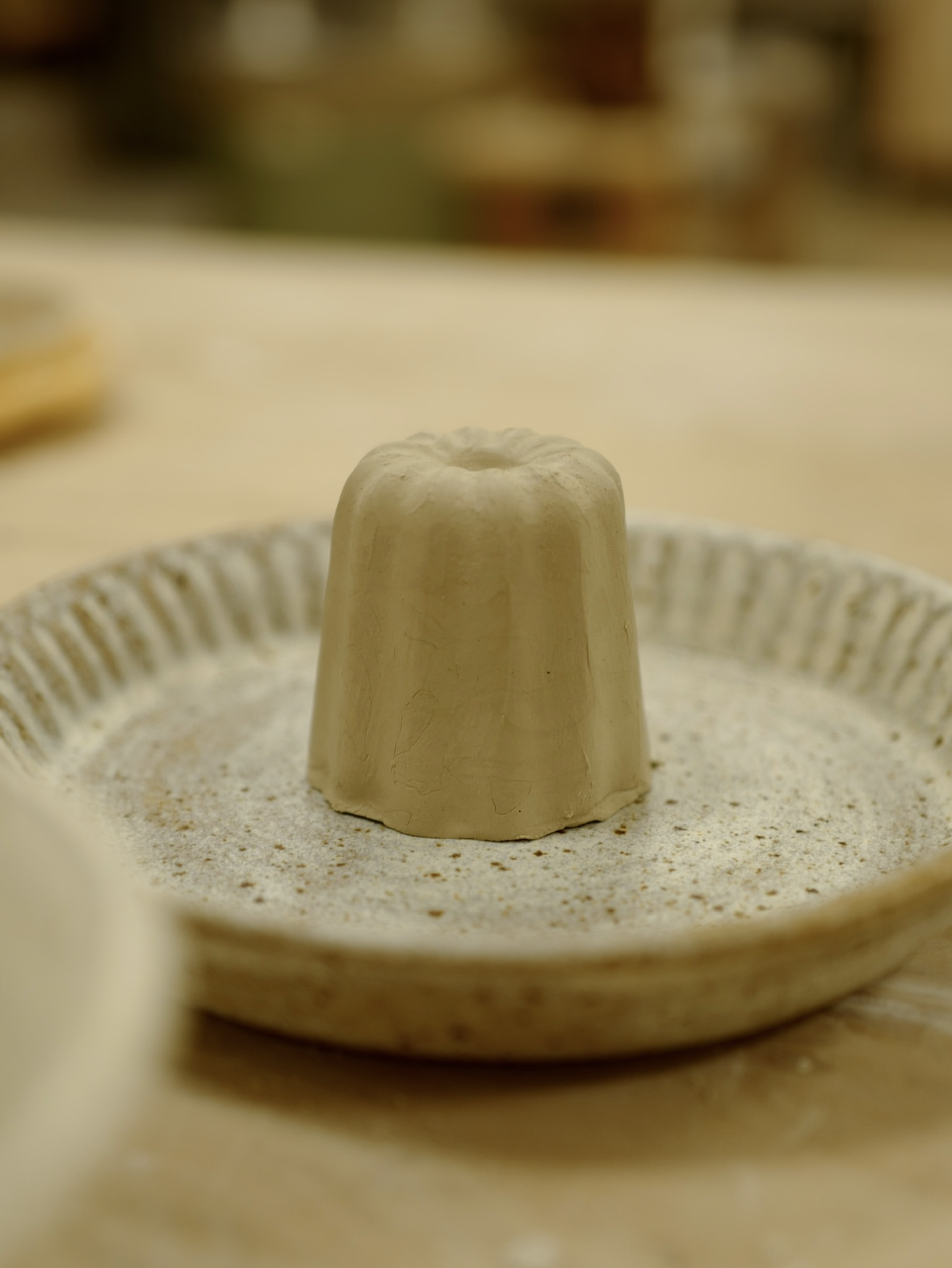
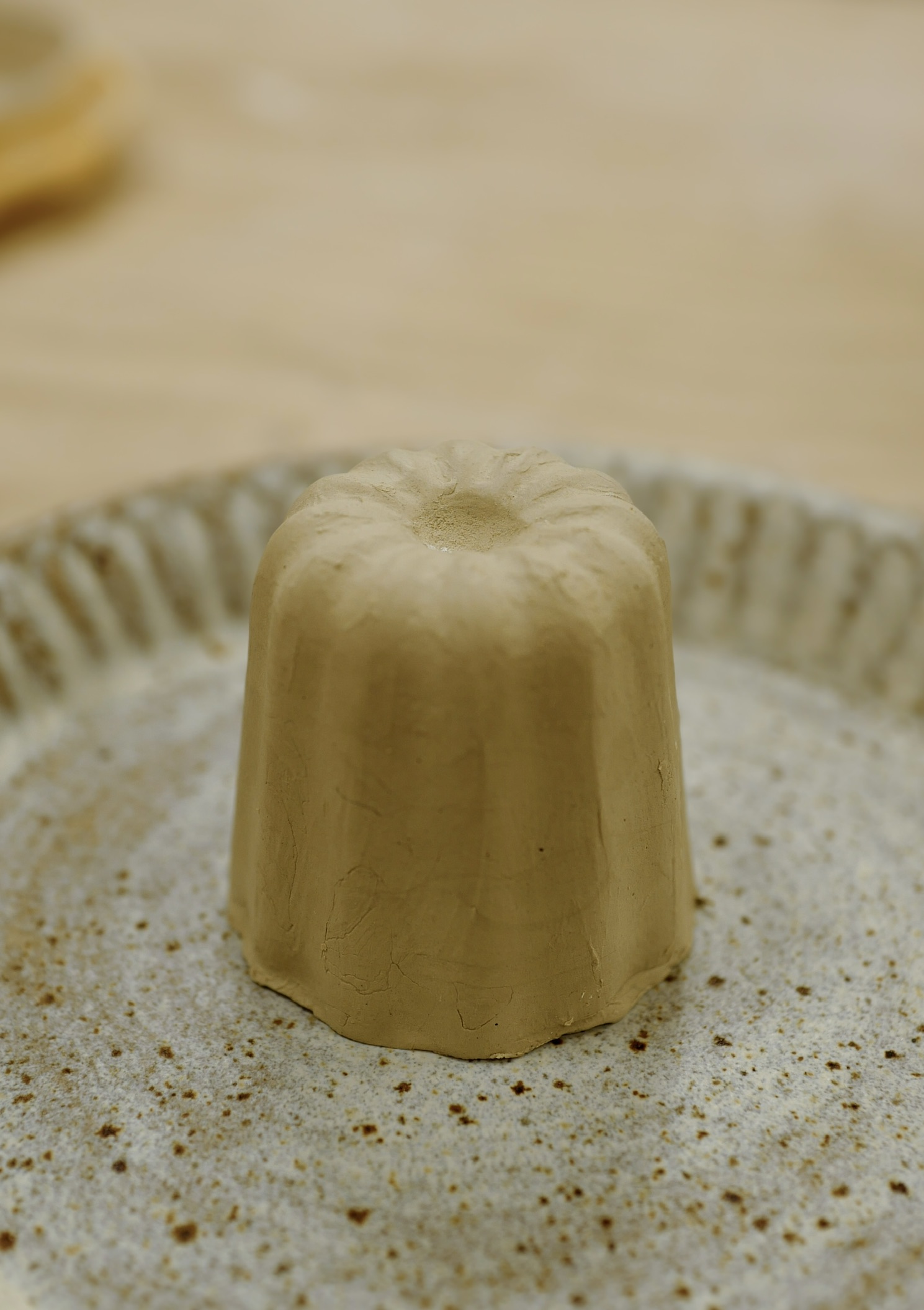
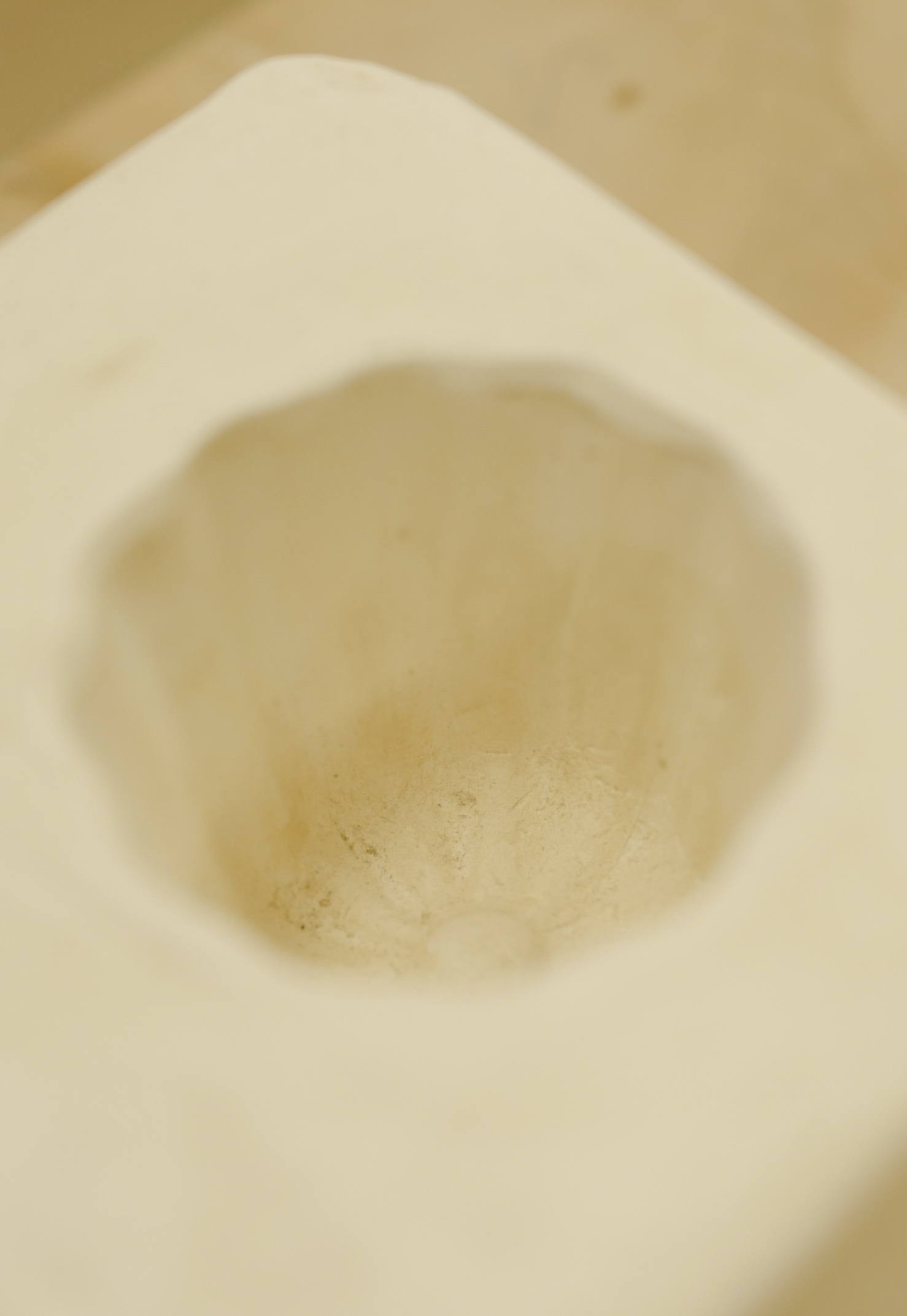
This cup is designed for espresso and was created using a mold shaped after a traditional French canelé pastry. By translating a dessert form into a functional ceramic object, I explore the relationship between food and ceramics. This piece reflects my interest in how edible forms can influence everyday tableware. It is currently still in progress.
Process
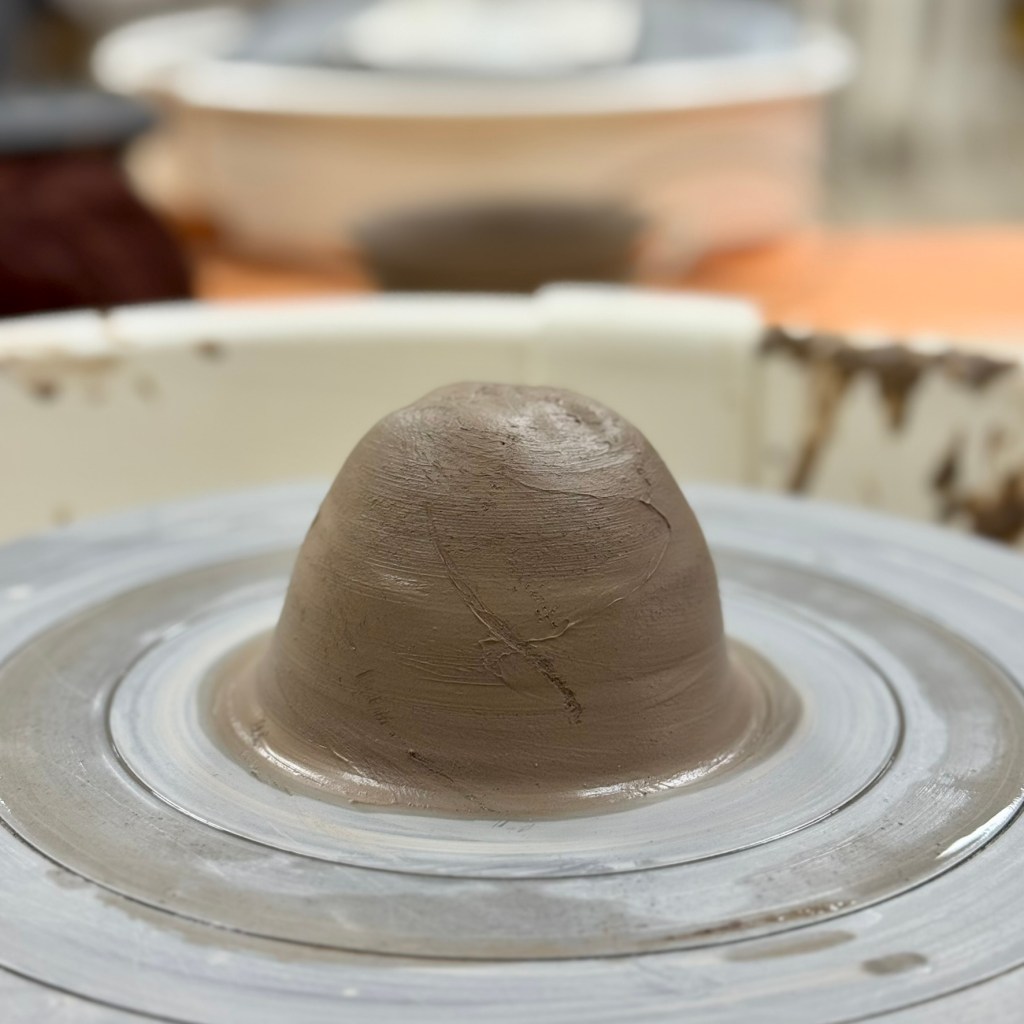
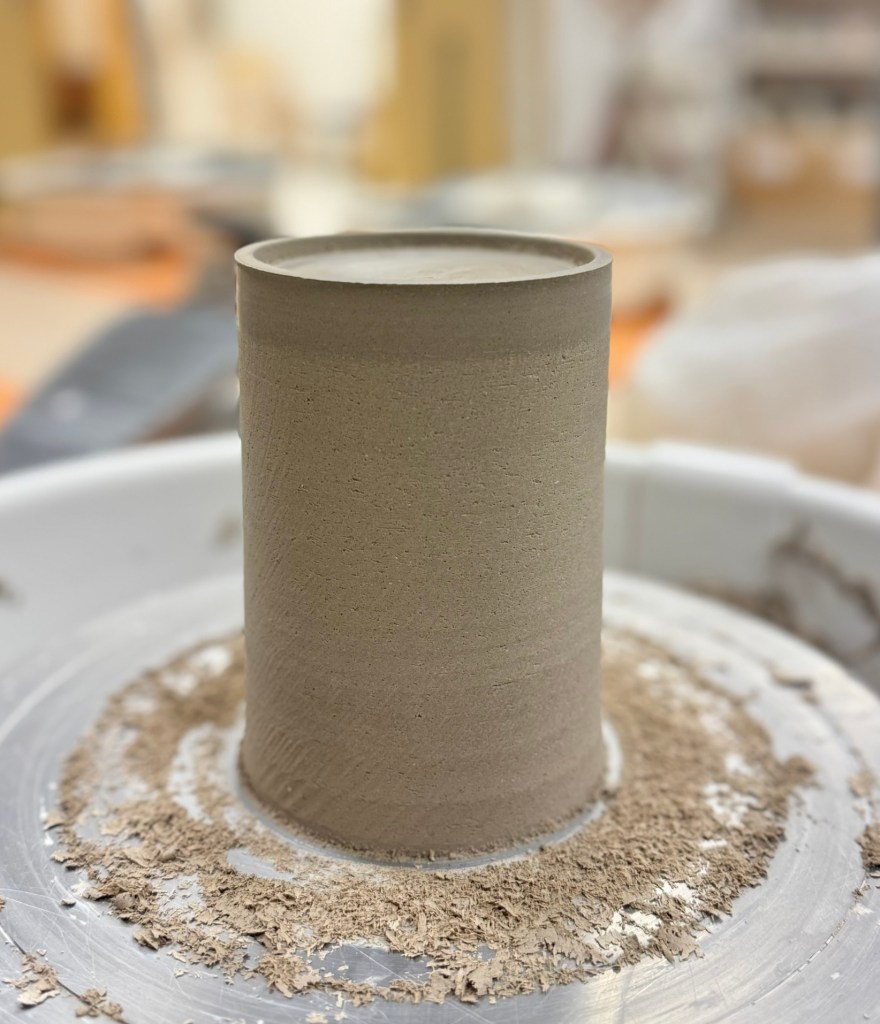
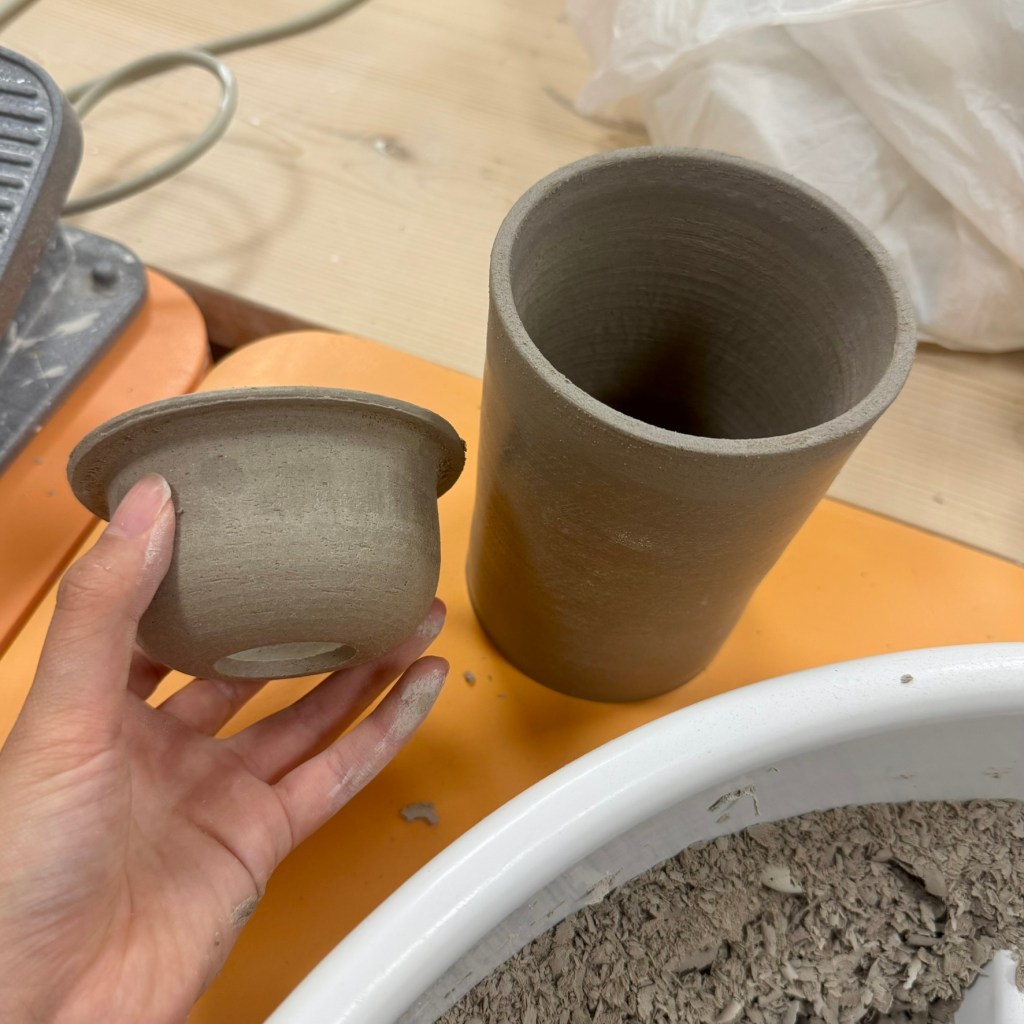
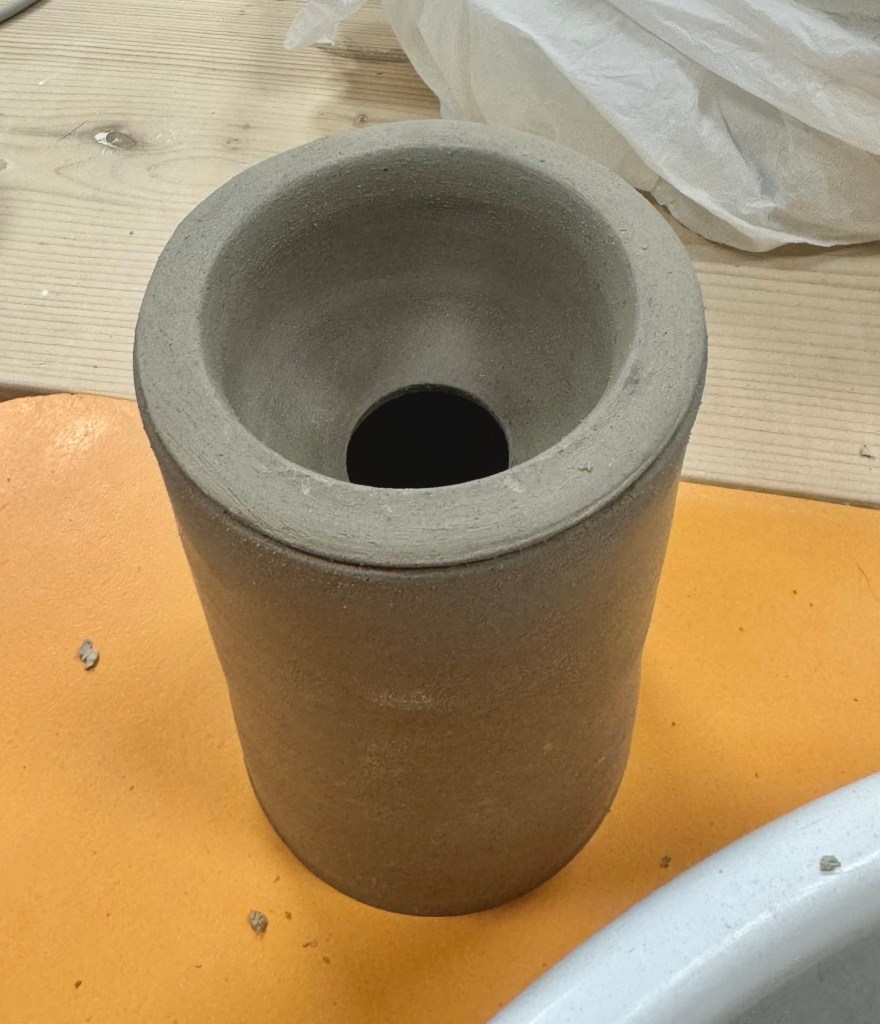
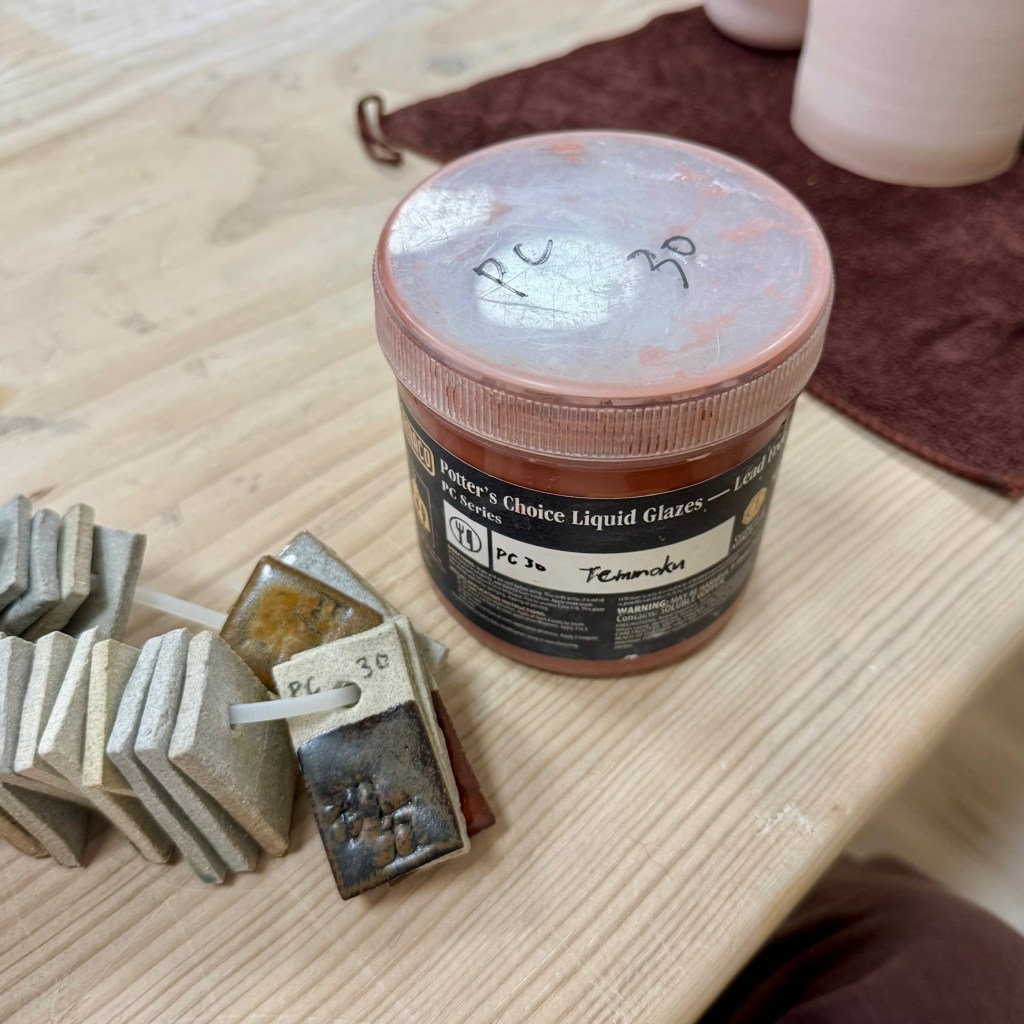
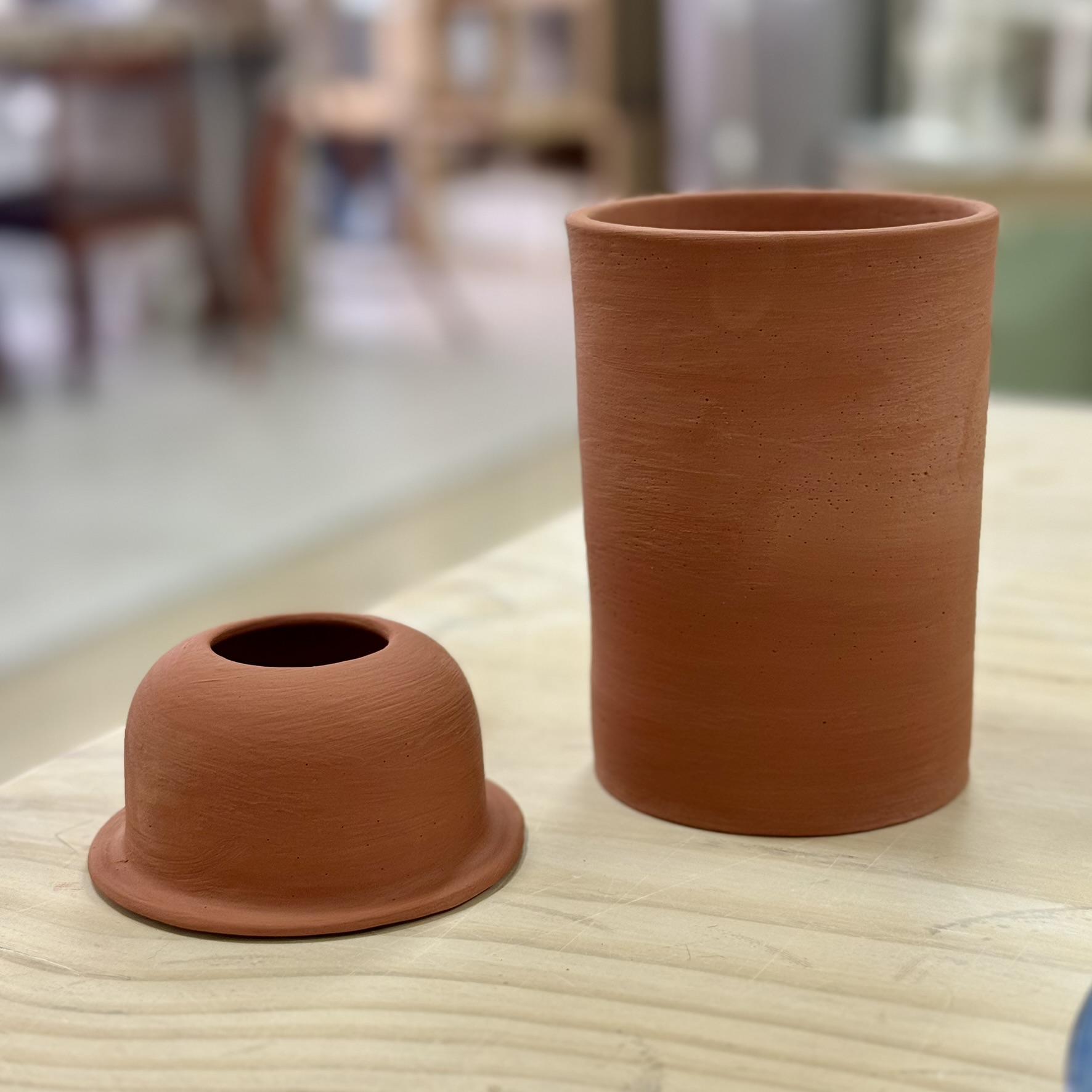
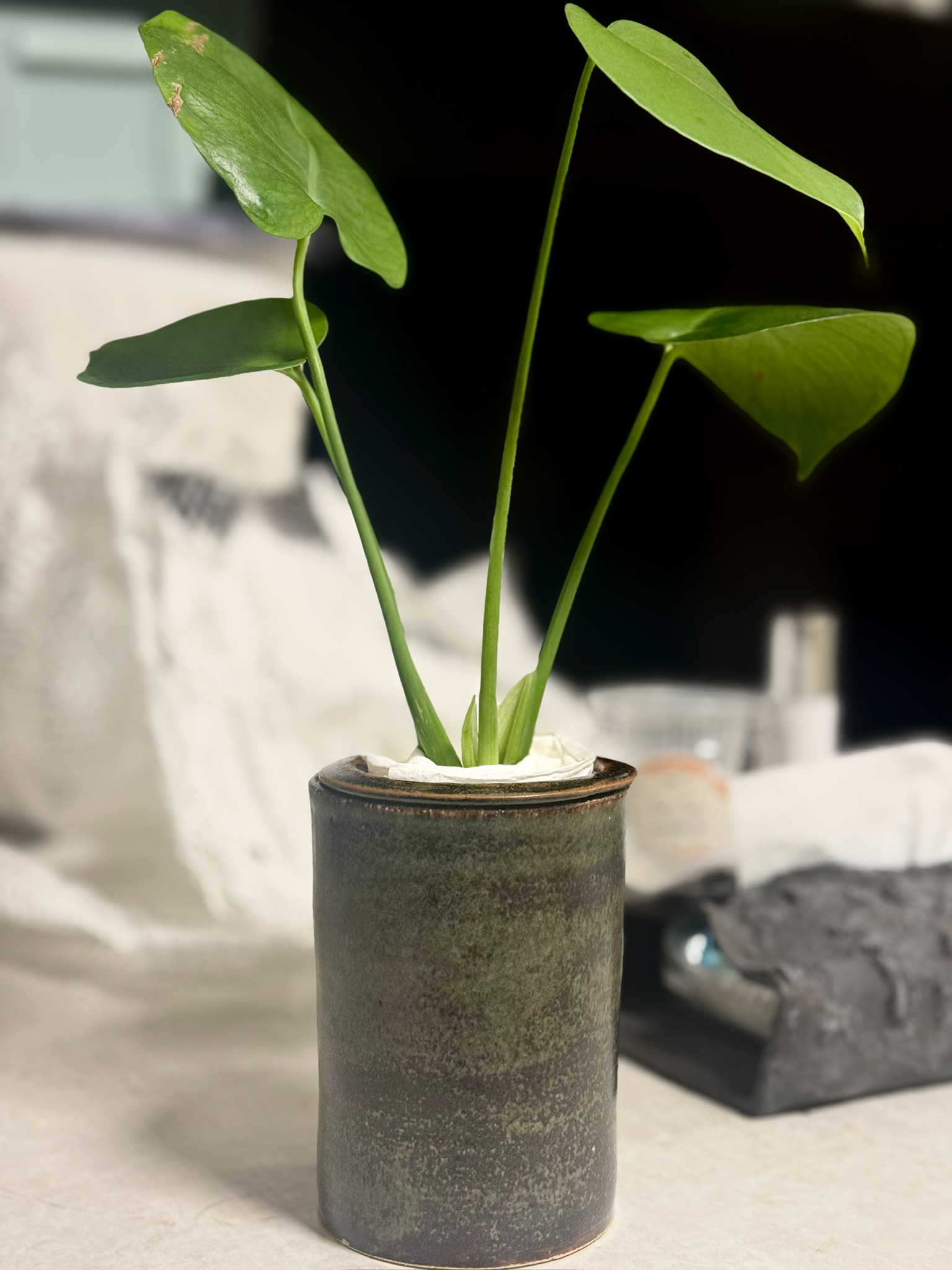
This piece was designed specifically for a young Monstera deliciosa, an evergreen plant known for its resilience and sculptural leaves. I developed the cylindrical outer part to provide stability, contrasting with a softer inner structure that supports drainage and healthy root growth. The proportions were carefully considered to balance functionality with visual harmony. Through this work, I explore the relationship between ceramics and living plants—how a handmade vessel can frame, protect, and improve natural growth.
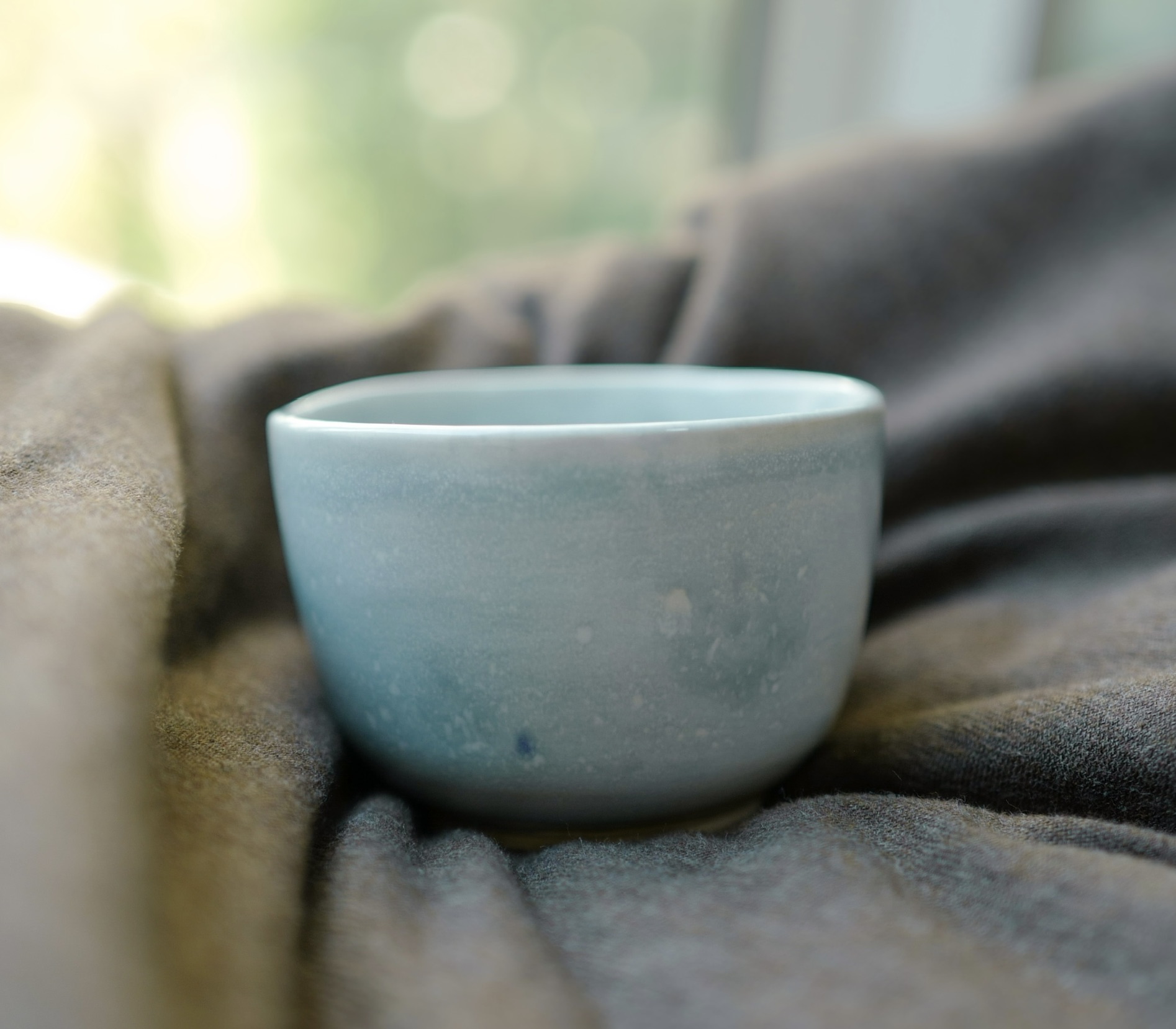
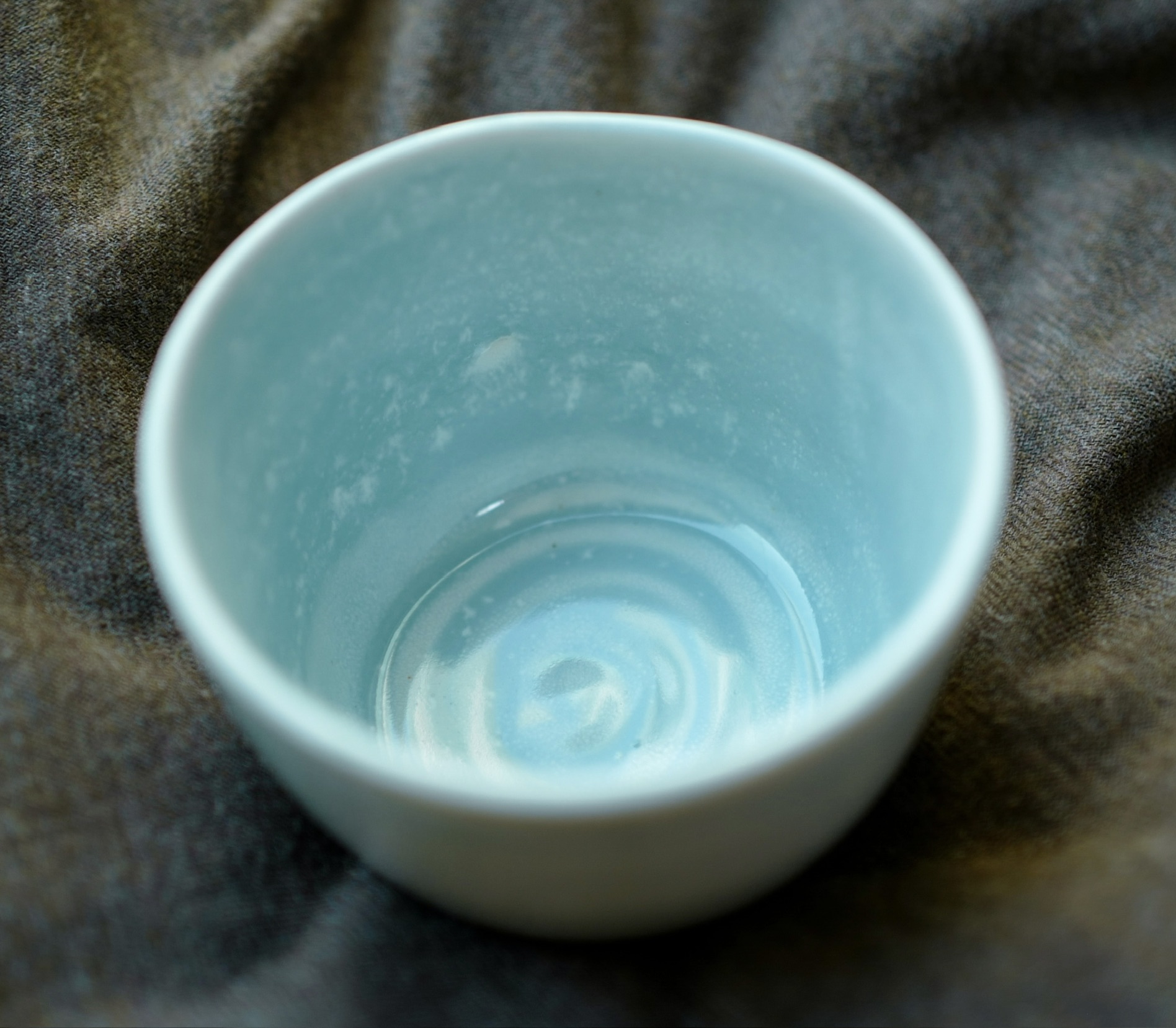
In this piece, I explore the atmosphere of snowfall through glaze. The idea originates from a winter day spent by a quiet lake in Canada, where the stillness and falling snow created a sense of calm and introspection. The soft blue glaze and scattered crystalline specks evoke snow drifting in silence, while the interior holds traces like snow settling on the ground. Rather than depicting a literal landscape, I use glaze as a material language to translate memory and atmosphere into surface.
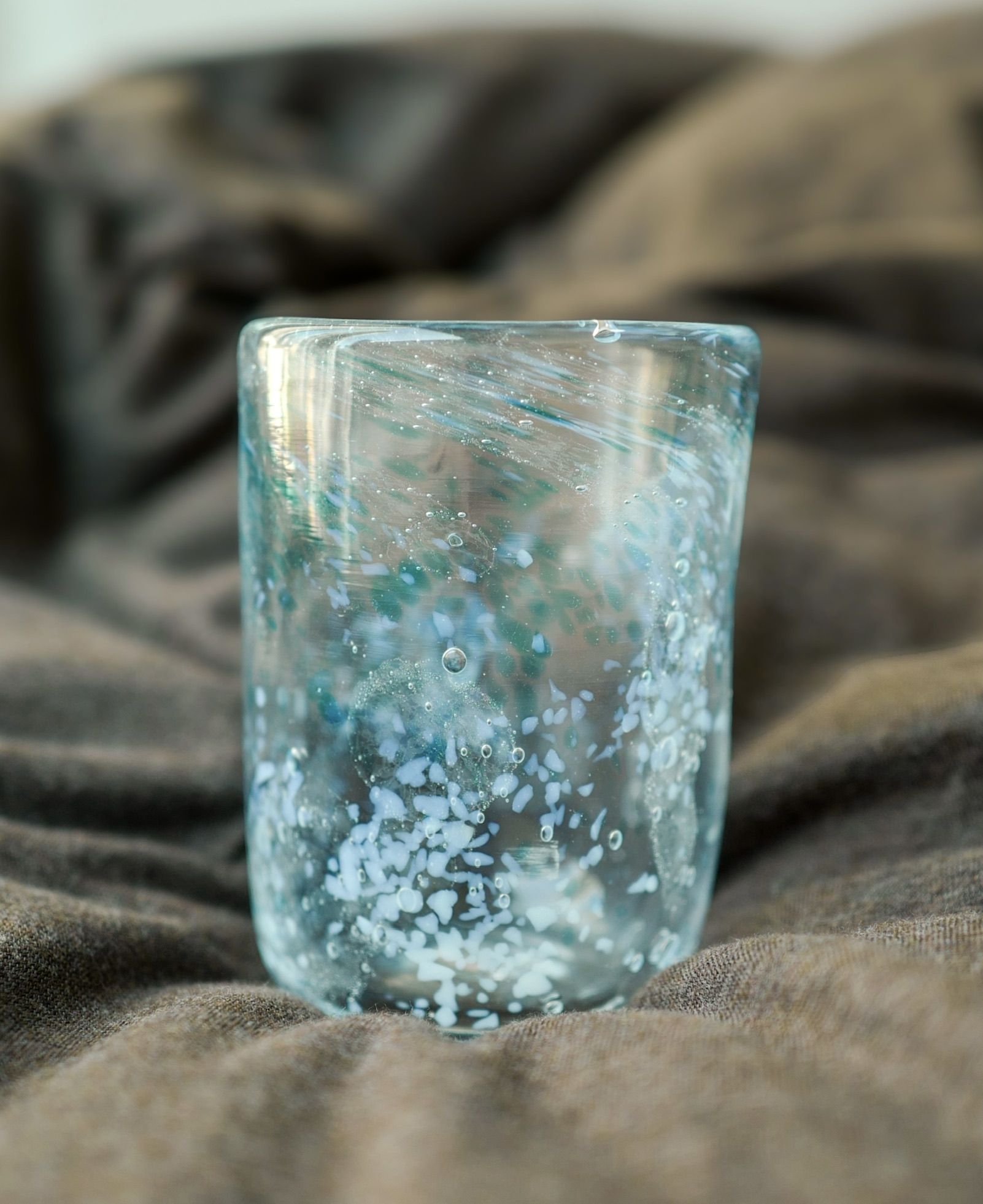
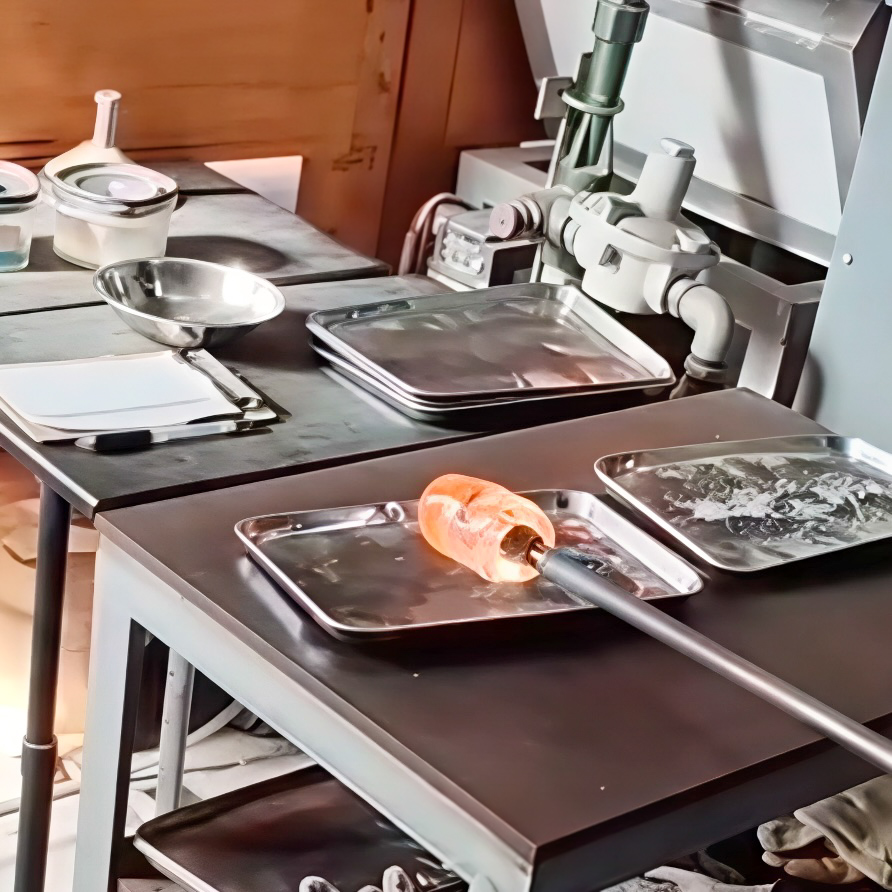
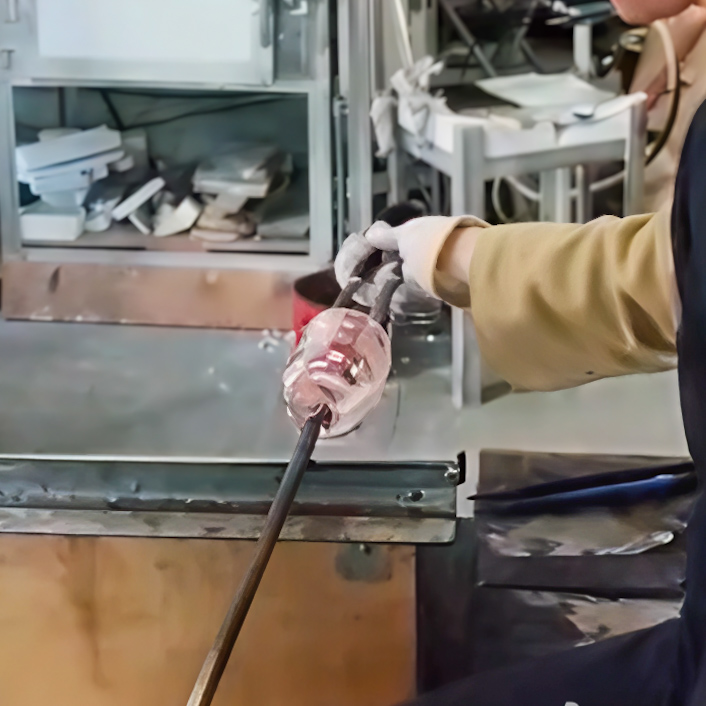
This work was created during a glassblowing workshop in Tokyo, where I experienced the process of shaping molten glass for the first time under the guidance of a local tutor. The concept was inspired by a visit to Kamakura, where the sound and movement of the sea left a strong sensory impression on me. I chose translucent blue tones to represent the depth of the ocean, while white inclusions suggest foaming waves. Small trapped bubbles echo the rhythm of water in motion. Through material experimentation, I aimed to translate the atmosphere and sound of the sea into a tactile, three-dimensional form.
 ATTIC 38